Edible bird’s nest has been consumed for over 400 years, yet it remains one of the most misunderstood foods in the world. Most people’s first reaction is some version of “wait, is that actually bird spit?” — followed by questions about ethics, cost, and whether any of the claimed benefits are real. Below, we answer the most common questions directly, in plain language.
Is edible bird’s nest actually made of bird spit?
Yes. Edible bird’s nest is made entirely from the hardened saliva of swiftlets, a small bird in the swift family. The swiftlet secretes strands of saliva from glands under its tongue, which harden on contact with air to form the nest structure. Unlike nests built by most birds from twigs and leaves, swiftlets construct their nests purely from this solidified saliva — which is what makes them edible and nutritionally distinct.
Why does it not taste or look like “spit”?
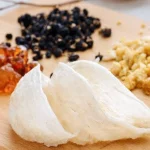
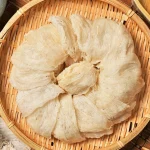
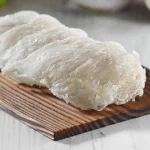
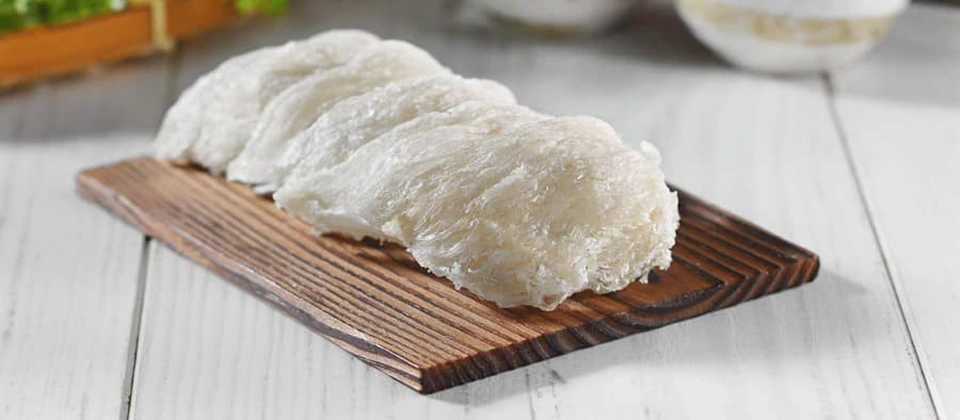
Once harvested, the raw nest is soaked, cleaned of feathers and debris, and dried — a labour-intensive process that can take hours per nest. What’s left is a translucent, gelatinous strand with almost no flavour of its own, similar in texture to soft cartilage before cooking and silky, slightly chewy after double-boiling. It absorbs the flavour of whatever it’s prepared with, most commonly a light rock sugar syrup.
Why is bird’s nest so expensive?
Bird’s nest is expensive because of scarcity and labour, not marketing. Genuine nests can only be harvested a limited number of times per year, each nest must be hand-cleaned strand by strand to remove feathers and debris, and premium grades like red and orange nest come from a smaller subset of nesting sites. High-grade bird’s nest has sold for as much as US$9,500 per kilogram, placing it among the most expensive animal-derived foods in the world.
Is harvesting bird’s nest cruel to the birds?
Generally, no — when sourced ethically. Modern, regulated bird’s nest farming uses swiftlet houses, which are man-made structures designed to attract wild swiftlets to nest voluntarily, mimicking their natural cave environment. Reputable operators only harvest nests after the chicks have fledged and left, meaning the nest is empty and no longer needed by the birds, who then instinctively rebuild a new nest for the next breeding cycle. This is different from unregulated cave harvesting, which can disturb active nests — one of the reasons sourcing transparency matters so much when buying.
What’s the difference between cave nest and house nest?
- Cave nest is harvested from natural caves and cliffs, often containing more minerals, feathers, and debris due to the surrounding environment — this is one contributing factor to the darker colour of some red and orange nests.
- House nest is harvested from purpose-built swiftlet houses that replicate cave conditions. It’s generally cleaner at the point of harvest and is the more common source of white nest today.
Both are legitimate, naturally occurring products — the difference lies in environment, not authenticity.
Is red bird’s nest actually better than white bird’s nest?
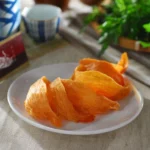
This is one of the most persistent myths in the industry, and the honest answer is: not necessarily. Some researchers have pointed out that a nest’s reddish colour can result from natural chemical changes within the birdhouse environment rather than a fundamentally superior nutrient profile. What’s true is that red nest is rarer and has a different mineral composition — but “different” doesn’t automatically mean “more nutritious.” Choosing between white, red, and orange nest often comes down to purpose (daily use vs. intensive recovery) and personal preference for texture, not a strict hierarchy of quality.
Is bird’s nest safe to eat regularly?
Yes, when sourced from a reputable, certified supplier. The main safety concerns in the industry come from adulterated products — nests that have been bleached to look whiter, artificially dyed to mimic red or orange grades, or bulked up with fillers like karaya gum. Genuine, unbleached bird’s nest from a HACCP-certified facility carries no such risk and has been safely consumed across Asia for centuries.
Quick Facts Summary
| Question | Short Answer |
| Is it bird spit? | Yes — hardened swiftlet saliva |
| Does it taste like spit? | No — mild, neutral flavour, texture similar to soft gelatin |
| Is harvesting cruel? | Not when farmed ethically and harvested after chicks fledge |
| Is red nest better than white? | Not proven — different, not necessarily superior |
| Why so expensive? | Limited harvests + labour-intensive hand-cleaning |
Curious to try it for yourself? Every NaturalNest product is ethically sourced, hand-cleaned, and 100% natural — explore our White, Red, and Orange Nest collections, or read our full Transparency Promise.