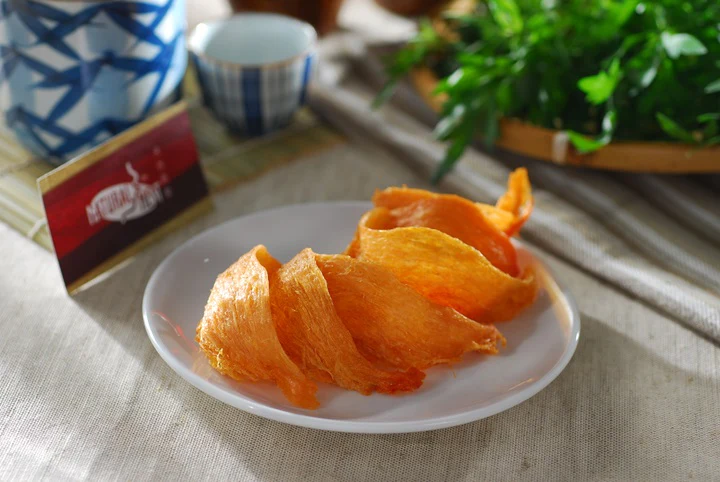
For generations, Singaporean and Chinese families have turned to one confinement staple above almost all others: bird’s nest. Passed down from mothers to daughters, it sits alongside ginseng and red dates as one of the most trusted tonics for pregnancy and postpartum recovery. But with so many product grades, preparation methods, and conflicting opinions online, many soon-to-be mums are left wondering: is bird’s nest actually good for pregnancy and confinement, and how should it be consumed safely?
This guide breaks down what the science and Traditional Chinese Medicine (TCM) tradition say, when to start, and how to choose a product you can trust.
Why Bird’s Nest Is a Confinement Staple in Singapore
Bird’s nest is formed from the hardened saliva of the swiftlet, and it’s naturally rich in two compounds that matter enormously during pregnancy and postpartum recovery:
- Sialic Acid — a nutrient linked to cognitive and immune development, which is why many mothers-to-be include it in their third-trimester routine.
- Epidermal Growth Factor (EGF) — a protein believed to support cell renewal and tissue repair, which is why TCM practitioners have long recommended it to help the body recover after childbirth.
In TCM philosophy, bird’s nest is considered a gentle, neutral tonic — unlike “heaty” confinement foods such as ginger and sesame oil, it’s easy on the digestive system, which matters when the body is already working hard to recover.
When Should You Start Taking Bird’s Nest?
There’s no single rule, but most TCM practitioners and confinement nannies in Singapore suggest:
- During pregnancy: From the second trimester onwards, once morning sickness has settled, taken 2–3 times a week.
- During confinement: Many mothers begin around day 3–5 postpartum, once digestion has stabilised, continuing daily or every other day through the confinement period.
As with any dietary change during pregnancy, it’s always worth checking with your gynaecologist or TCM physician first, especially if you have gestational diabetes or other health conditions — bird’s nest is often served with rock sugar, which may need adjusting.
Which Type of Bird’s Nest Is Best for Confinement?
This is one of the most common questions we get, and the honest answer is: it depends on what your body needs.
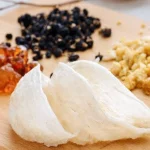
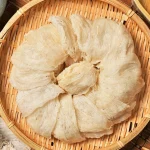
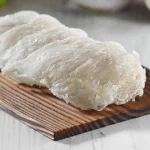
- White Bird’s Nest is the most popular choice for daily, gentle nourishment throughout pregnancy — mild in flavour, high in Sialic Acid, and easy to digest.
- Red Bird’s Nest is favoured by mothers looking for a more intensive recovery tonic postpartum, thanks to its richer mineral profile and reputation for boosting vitality after childbirth.
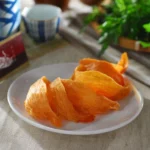
- Orange Bird’s Nest offers a middle ground — a firmer texture with a similarly nourishing profile, chosen by those who want variety across their confinement month.
Many families rotate between white and red nest across the pregnancy-to-confinement journey — white during pregnancy for its gentleness, red postpartum for deeper recovery support.
How to Prepare Bird’s Nest Safely During Confinement
- Soak the dried nest in room-temperature water for 2–4 hours until it softens and expands.
- Clean thoroughly, removing any small feathers, and rinse well.
- Double-boil (never boil directly) for 30–45 minutes over low heat to preserve the delicate nutrients.
- Sweeten lightly, if desired, with rock sugar, or pair with red dates and goji berries — both popular confinement additions.
- Serve warm, ideally on an empty stomach in the morning for best absorption.
Avoid high heat or prolonged boiling, which can break down the glycoproteins that make bird’s nest valuable in the first place.
What to Look for When Buying Bird’s Nest for Pregnancy
Because bird’s nest is consumed during such a sensitive period, sourcing matters more than ever. Look for:
- No bleaching or artificial preservatives — bleached nests are treated with chemicals to appear whiter and should be avoided entirely during pregnancy.
- HACCP-certified processing — a sign the product has been handled under strict food-safety standards.
- Transparent sourcing — ethically harvested nests, ideally with clear information on origin and grading.
At NaturalNest, every batch is processed in our own HACCP-certified facility, 100% natural and free from bleaching, so you can confidently include it in your pregnancy and confinement routine. Read more about our sourcing standards on our Transparency Promise page.
Frequently Asked Questions
- Is bird’s nest safe to eat every day during pregnancy?
Most TCM practitioners recommend 2–3 servings a week during pregnancy, increasing to near-daily during confinement, depending on your body’s response. Always consult your doctor first. - Can bird’s nest help with breast milk supply?
While not scientifically proven to directly boost lactation, many mothers report that its overall nourishing effect on recovery indirectly supports breastfeeding stamina. - Is white or red bird’s nest better for confinement?
Both are beneficial. White nest is gentler and ideal throughout pregnancy, while red nest is often chosen postpartum for its richer mineral content and traditional association with faster recovery. - How much bird’s nest should a confinement serving contain?
A typical serving is 3–5 grams of dried bird’s nest, which expands significantly once soaked and double-boiled.
Ready to start your pregnancy and confinement journey with a bird’s nest you can trust? Explore our White Nest and Red Nest collections, hand-cleaned and processed with absolute transparency.