In Singapore and across Asian communities, consuming edible bird’s nest during pregnancy and the traditional postpartum confinement period is a well-established tradition. Generations of mothers have sworn by its nourishing properties, believing it promotes a smooth pregnancy, radiant skin, and a healthy baby.
If you are expecting or preparing for your postpartum journey, you likely have questions: When is the safest time to start? How much should you consume? And what makes it so beneficial during confinement? Modern science combined with traditional wisdom provides clear guidance on how to safely incorporate this superfood into your maternal wellness routine.
1. Pregnancy Trimester Breakdown: When to Start
While bird’s nest is exceptionally nutritious, timing matters during pregnancy to ensure optimal digestion and safety for both mother and child.
The 1st Trimester: A Time for Caution
During the first trimester, the body undergoes rapid hormonal shifts, and many mothers experience morning sickness and a sensitive digestive system. In Traditional Chinese Medicine (TCM), heavy tonics are often avoided during these initial weeks so the body can naturally stabilize the embryonic environment.
The 2nd and 3rd Trimesters: The Ideal Window
From the second trimester onwards (around week 14 onwards), the digestive system stabilizes, and the fetus enters a rapid phase of growth and organ development. This is the optimal time to introduce bird’s nest into your diet:
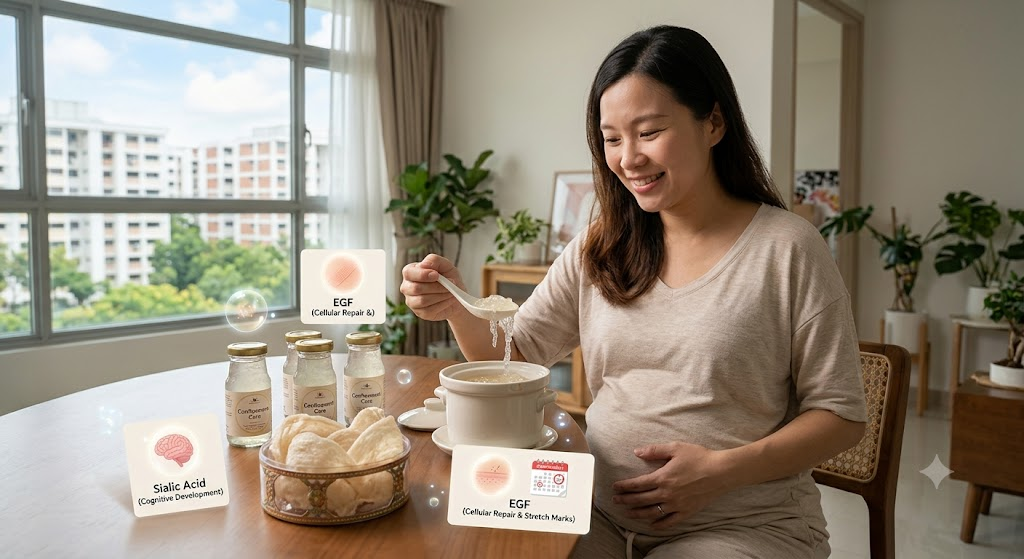
- Fetal Brain and Nervous System Development: Edible bird’s nest is packed with Sialic Acid (NANA), a crucial building block for brain tissue. Sialic acid supports the rapid neurological development of the fetus, laying a strong foundation for future cognitive processing, learning capacity, and memory functions.
- Enhanced Maternal Immunity: Pregnancy can temporarily suppress the immune system as the body adapts. The bioactive glycoproteins in bird’s nest help bolster maternal immunity against common seasonal illnesses.
2. Confinement Recovery: Healing with Epidermal Growth Factor (EGF)
The postpartum confinement period (zuo yue zi) is a crucial window for mothers to restore depleted energy, heal tissues, and rebuild strength. Here is how bird’s nest supports postpartum recovery:
- Cellular Repair and Tissue Regeneration: Childbirth places immense physical demands on the body. The natural Epidermal Growth Factor (EGF) found in bird’s nest stimulates cell division and collagen synthesis, significantly accelerating the healing of internal tissues, episiotomy sites, or C-section scars.
- Skin Elasticity and Stretch Mark Recovery: Rapid weight fluctuations during pregnancy often leave skin stretched and depleted of structural collagen. EGF helps restore skin elasticity from within, assisting in reducing the appearance of stretch marks and postpartum dullness.
- Lactation Support and Vitality: Enriched with essential amino acids, bird’s nest helps nourish the mother’s body, supporting healthy milk production while providing clean, sustained energy without burdening a recovering digestive system.
3. Recommended Dosage and Preparation Guide for Mothers
Consistency is far more beneficial than consuming large, sporadic amounts. To maximize nutritional benefits without overloading your system, follow this general guidance:
- Dry Weight: 2 to 3 grams of dry bird’s nest per serving.
- Liquid Volume: Approximately 70ml to 100ml of freshly stewed bird’s nest.
- Frequency: Consume every 1 to 2 days, preferably on an empty stomach (first thing in the morning or right before bedtime) to optimize nutrient and glycoprotein absorption.
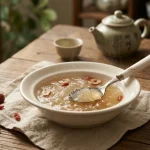
- Popular Singaporean Preparations: Many local mothers prefer double-boiling bird’s nest with a touch of organic rock sugar, red dates, or longan for added warmth and iron support during confinement.
4. Safety Precautions: Purity and Sterilization Matters
Expectant and nursing mothers must prioritize safety above all else. When choosing bird’s nest in Singapore, keep these essential safety rules in mind:
- Avoid Raw or Improperly Sterilized Preparations: Raw or poorly cleaned bird’s nests may harbor environmental impurities or bacterial contamination. Ensure the nest has been thoroughly double-boiled at proper temperatures to eliminate pathogens.
- Zero Chemicals and Bleach: Chemical bleaching agents (like hydrogen peroxide or chlorine) can leave toxic residues that are harmful to both mother and baby. Always source from reputable suppliers who guarantee 100% natural processing.
- Certified Quality: At Natural Nest Singapore, our bird’s nests are meticulously hand-cleaned using pure water with zero chemical additives, artificial preservatives, or bleaching agents. Each batch is stringently inspected so you can enjoy total peace of mind during your pregnancy and confinement journey.
Nourish yourself and your little one safely with pure, uncompromised nutrition. By understanding the right timing and choosing certified authentic products, bird’s nest can be a wonderful, restorative addition to your maternal care plan.