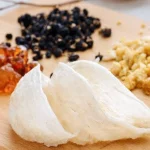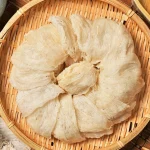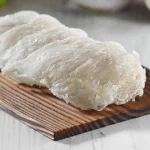

Walk into any bird’s nest specialist and you’ll be met with three distinct colours — white, red, and orange — often at three very different price points. For first-time buyers, it’s not always clear whether the colour reflects a difference in quality, benefits, or simply origin. The truth is a bit of all three.
Here’s a straightforward breakdown of what actually separates White, Red, and Orange bird’s nest, so you can choose the one that fits your needs — not just the one that looks the most premium.
What Causes the Colour Difference?
Contrary to a common myth, the colour of bird’s nest isn’t dyed or artificially treated in a quality product. It comes down to environment:
- White Nest is built in caves or nesting houses with minimal mineral exposure, giving it its naturally pale, clean colour.
- Red Nest (also called Blood Nest) develops its rich hue from the swiftlet’s exposure to mineral-rich environments near coastal areas, where higher heat and humidity influence the nest’s composition over time.
- Orange Nest forms under similar coastal conditions to red nest but with a different mineral balance, producing its distinctive golden-orange tone.
At NaturalNest, none of our nests are bleached, dyed, or chemically treated — every colour variation you see is entirely natural.
White Bird’s Nest: The Everyday Superfood
White nest is the most widely consumed variety, and for good reason. It’s meticulously hand-cleaned to preserve its high Sialic Acid content, with a mild flavour and delicate texture that makes it easy to enjoy daily.
Best for: Daily consumption, skincare-focused routines, general immune support, and those new to bird’s nest. Texture: Soft, smooth, delicate strands. Price range: Typically the most accessible of the three grades.
Red Bird’s Nest: The Intensive Recovery Choice
Red nest, often called Blood Nest, is prized for its rare mineral richness and deeper nutritional density. It’s the variety most often reached for during intensive recovery periods — post-illness, post-surgery, or postpartum — thanks to its association with boosting internal vitality.
Best for: Post-recovery tonics, mothers-to-be seeking a richer profile, connoisseurs who prefer a more pronounced texture. Texture: Firmer and chewier than white nest, with a more pronounced bite. Price range: Premium, reflecting its rarity — genuine red nest is harvested only a few times a year.
Orange Bird’s Nest: The Balanced Middle Ground
Orange nest sits between the two, offering a golden hue with a firm, silky texture. It’s sustainably harvested and provides a premium wellness experience geared toward long-term cellular support, making it a favourite for those who want something distinct from the everyday white nest without committing fully to red.
Best for: Those wanting variety, long-term wellness routines, and gifting — the golden colour is often seen as especially auspicious. Texture: Firm yet silky, distinct from both white and red. Price range: Comparable to red nest, reflecting its similarly limited harvest.
Side-by-Side Comparison
| White Nest | Red Nest | Orange Nest | |
| Colour origin | Low mineral exposure | Coastal, mineral-rich, high heat/humidity | Coastal, distinct mineral balance |
| Texture | Soft, delicate | Firm, chewy | Firm, silky |
| Best suited for | Daily use, skincare, immunity | Intensive recovery, prenatal | Balanced long-term wellness |
| Harvest frequency | More frequent | Limited, a few times a year | Limited, similar to red |
| Typical price tier | Accessible | Premium | Premium |
So Which One Should You Buy?
If you’re just starting out or want something you can consume daily without a heavy financial commitment, white nest is the natural entry point. If you’re recovering from illness, surgery, or childbirth and want the most concentrated nutritional support, red nest is worth the investment. And if you want a premium option with a unique texture and golden presentation — ideal for gifting or a special wellness ritual — orange nest strikes that balance.
Many of our customers don’t choose just one — they keep white nest on hand for daily use and reach for red or orange nest during periods that call for more intensive support.
Frequently Asked Questions
- Is red bird’s nest more nutritious than white bird’s nest?
Red nest is generally considered to have a higher concentration of certain minerals due to its coastal origin, but both varieties offer significant Sialic Acid and EGF content. The “better” choice depends on your specific goal. - Why is red and orange bird’s nest more expensive than white?
Red and orange nests are harvested far less frequently — only a few times a year from coastal nesting sites — making them naturally rarer and more costly to produce than white nest. - Can I mix different types of bird’s nest?
Yes. Many households rotate between grades depending on the season or health need — white for daily nourishment, red or orange for more intensive periods. - Is the colour of red and orange bird’s nest natural?
Yes, when sourced from a reputable supplier. The colour comes from the swiftlet’s environment and diet, not dye. Always buy from a HACCP-certified, transparent source to avoid artificially treated products.
Not sure where to start? Browse our full range of White, Red, and Orange Bird’s Nest — every batch ethically sourced and 100% natural.