Bird’s nest is one of the most counterfeited health foods in the world. Because genuine, ethically harvested nests are naturally rare and labour-intensive to clean, the market has unfortunately made room for products that are bleached, adulterated with fillers like fungus or seaweed extract, or mislabelled entirely.
For a product you’re consuming for its health benefits — often during pregnancy, recovery, or as a daily wellness ritual — knowing what to look for isn’t optional. Here’s how to tell the difference.
Why Fake or Adulterated Bird’s Nest Is a Real Problem
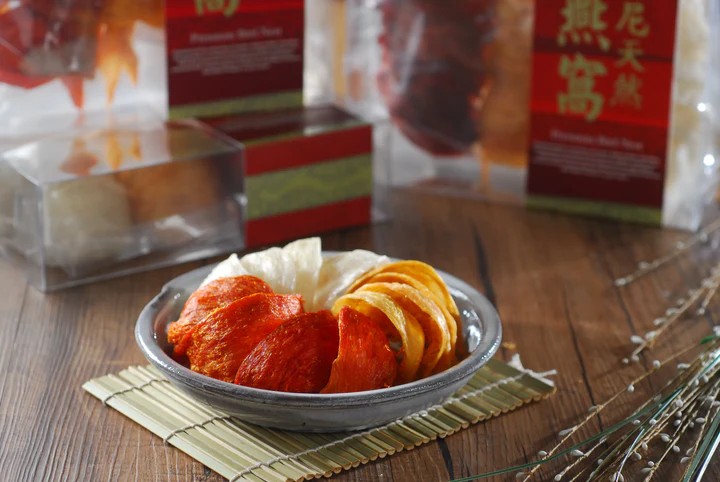
Because red and orange nests fetch premium prices, some unscrupulous suppliers bleach white nest to fake a “cleaner” appearance, or use chemical dyes to mimic the natural red or orange hue of premium grades. Others bulk up nests with karaya gum, fungus, or seaweed to increase weight before selling by the gram.
The risks aren’t just financial. Bleaching agents and undisclosed additives can be harmful to consume regularly, particularly for pregnant women, young children, or anyone with a compromised immune system — exactly the groups most likely to be consuming bird’s nest for its health benefits in the first place.
5 Signs of Genuine Bird’s Nest
1. Natural, Uneven Colour
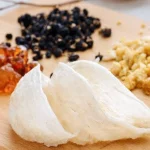
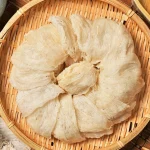
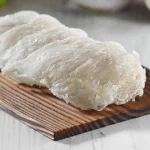
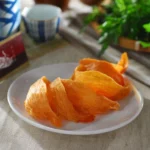
Genuine bird’s nest is rarely perfectly uniform in colour. Authentic white nest often has a slightly off-white or ivory tone, while red and orange nests should show natural variation rather than a flat, saturated colour — a telltale sign of dyeing.
2. Texture After Soaking
When soaked in water, real bird’s nest expands into fine, thread-like strands with a slightly springy texture. Adulterated products often turn mushy, dissolve unevenly, or release cloudy residue — a sign of fillers like karaya gum.
3. Smell Test
Authentic bird’s nest has a very mild, almost neutral scent. A strong chemical or bleach-like smell is one of the clearest red flags of a treated product.
4. No Overpowering Whiteness
Bleached bird’s nest tends to look unnaturally bright and uniform. If a “white nest” looks almost paper-white with no natural variation, treat it with suspicion.
5. Proper Certification and Documentation
This is the most reliable indicator. Legitimate suppliers should be able to show:
- HACCP certification, confirming the product is processed under recognised food-safety standards.
- Country of origin documentation, ideally from recognised sources such as the Indonesian Agricultural Quarantine Agency.
- Clear grading information (A, AAA, Super, etc.) rather than vague labelling.
Questions to Ask Before You Buy
- Is the nest bleached, dyed, or chemically treated in any way?
- Is the facility HACCP-certified?
- Can the supplier tell you which region or type of nesting house the product came from?
- Is the pricing realistic for the grade being sold? (Red and orange nest, in particular, should never be priced close to white nest — if they are, the colour is likely artificial.)
A transparent supplier will answer these questions readily and often publish the information upfront, rather than making you ask.
How NaturalNest Ensures Authenticity
We built our entire process around answering these questions before you even have to ask them. Every strand we sell is:
- 100% natural — free from bleaching, dyeing, or artificial preservatives of any kind.
- Processed in our own HACCP-certified facilities, ensuring maximum purity from cleaning through to packaging.
- Ethically sourced directly from Indonesia, with full visibility into origin and grading.
We publish the full details of our sourcing and quality standards on our Transparency Promise page, so you can verify exactly what you’re buying before it reaches your door.
Frequently Asked Questions
- How can I tell if my bird’s nest has been bleached?
Bleached nest typically looks unnaturally bright white and uniform, and may have a faint chemical smell. Genuine nest has a more natural, slightly uneven ivory tone and a neutral scent. - Is cheaper bird’s nest always fake or lower quality?
Not necessarily, but unusually low prices — especially for red or orange nest — are a strong warning sign, since these grades are naturally rarer and more labour-intensive to produce. - What does HACCP certification actually guarantee?
HACCP (Hazard Analysis and Critical Control Points) certification means the facility follows internationally recognised food-safety protocols at every stage of processing, reducing the risk of contamination and ensuring consistent quality control. - Can adulterated bird’s nest be dangerous to eat?
Yes. Bleaching agents and undisclosed fillers may pose health risks, particularly with regular consumption — which is a concern given bird’s nest is often eaten daily during pregnancy, confinement, or recovery. - Where does NaturalNest source its bird’s nest from?
Our nests are ethically sourced directly from Indonesia and processed in our own HACCP-certified facilities, with full documentation available on our Transparency Promise page.
Buy with confidence. Every NaturalNest product is 100% natural, HACCP-certified, and fully traceable — see our full Transparency Promise or explore our White, Red and Orange Nest collections.